
Insulation contractor in Mount Vernon, IN - sealed attics, warmer floors
A&B Evansville Insulation Services is an insulation contractor based in Evansville that air seals and insulates attics, walls and crawl spaces for homes and small buildings in Mount Vernon, Indiana, closing the gaps before new insulation goes in.
- Fully licensed and insured.
- Free on-site estimates.
- Expect a reply within 1 business day.
Older homes and downtown buildings in Mount Vernon
Mount Vernon sits on the Ohio River west of us, the county seat of Posey County. Downtown is a historic district of brick storefronts, civic buildings and the courthouse grounds, and the streets around it are mostly older houses, with newer ones farther out. The calls we get from Mount Vernon are mostly about those older houses, plus a business owner now and then with a downtown building that heats the sky better than the shop floor.
We work here the same way we do in Boonville and across the river in Henderson. Old houses here tend to have a few tired inches in the attic and a lot of gaps nobody ever sealed, so the sealing usually matters more than the pile.
Our services in Mount Vernon, IN
- Attic air sealing
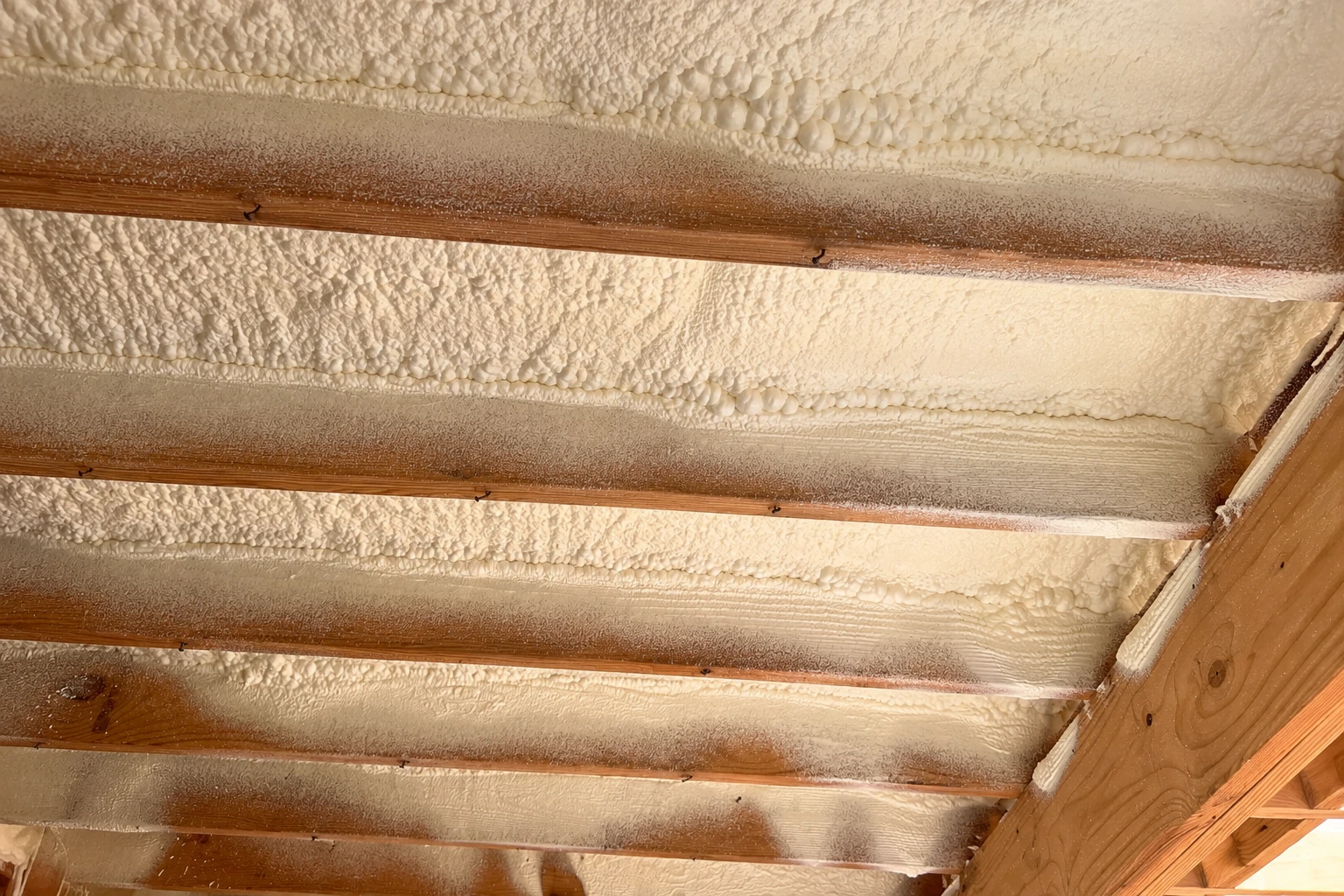
Older Mount Vernon attics usually leak around the hatch, the can lights and every pipe and wire coming up from below, and new insulation laid on top just gets pushed around by that draft. We close those gaps with foam and caulk before anything else goes down, which is the step most crews skip.
- Blown-in insulation
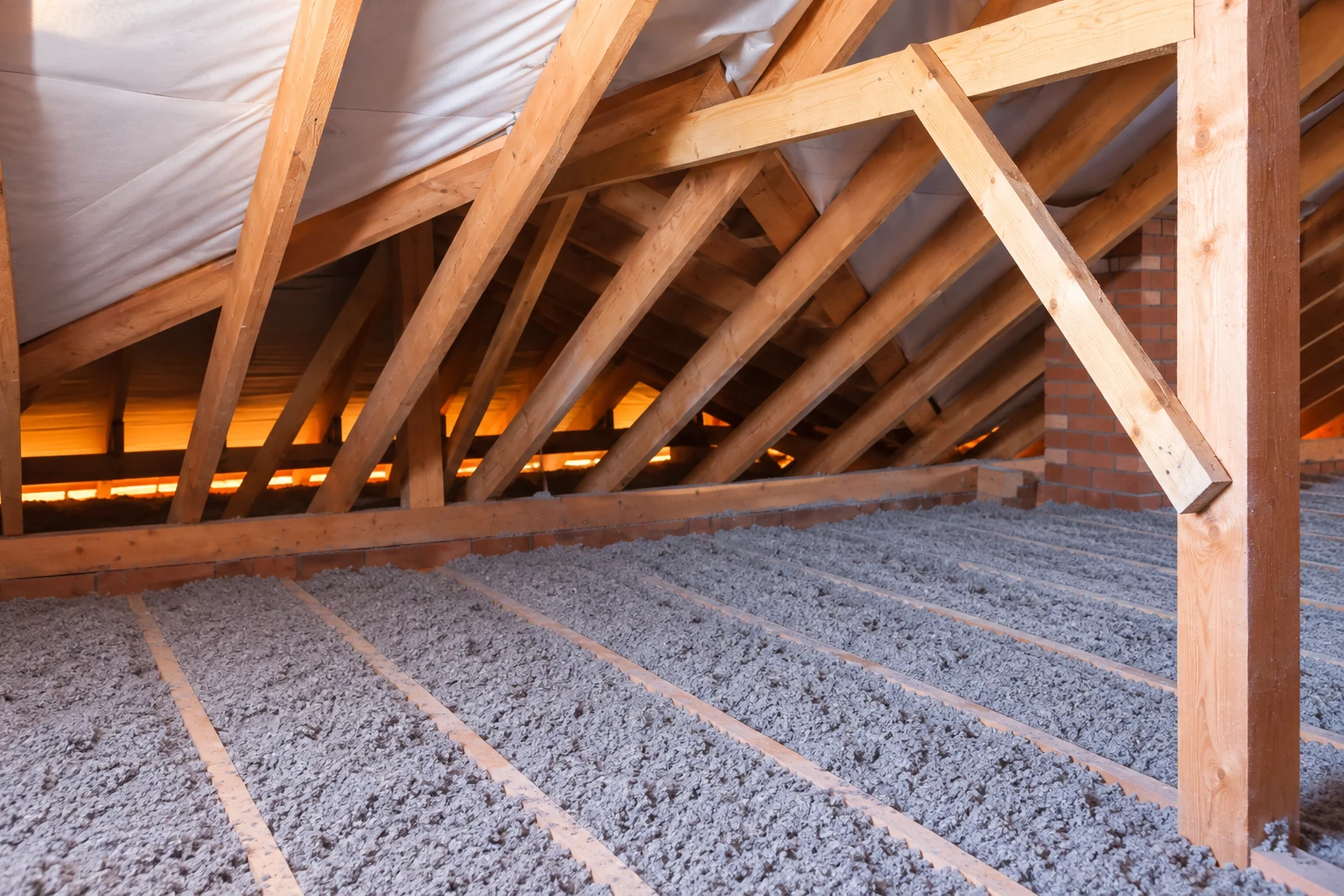
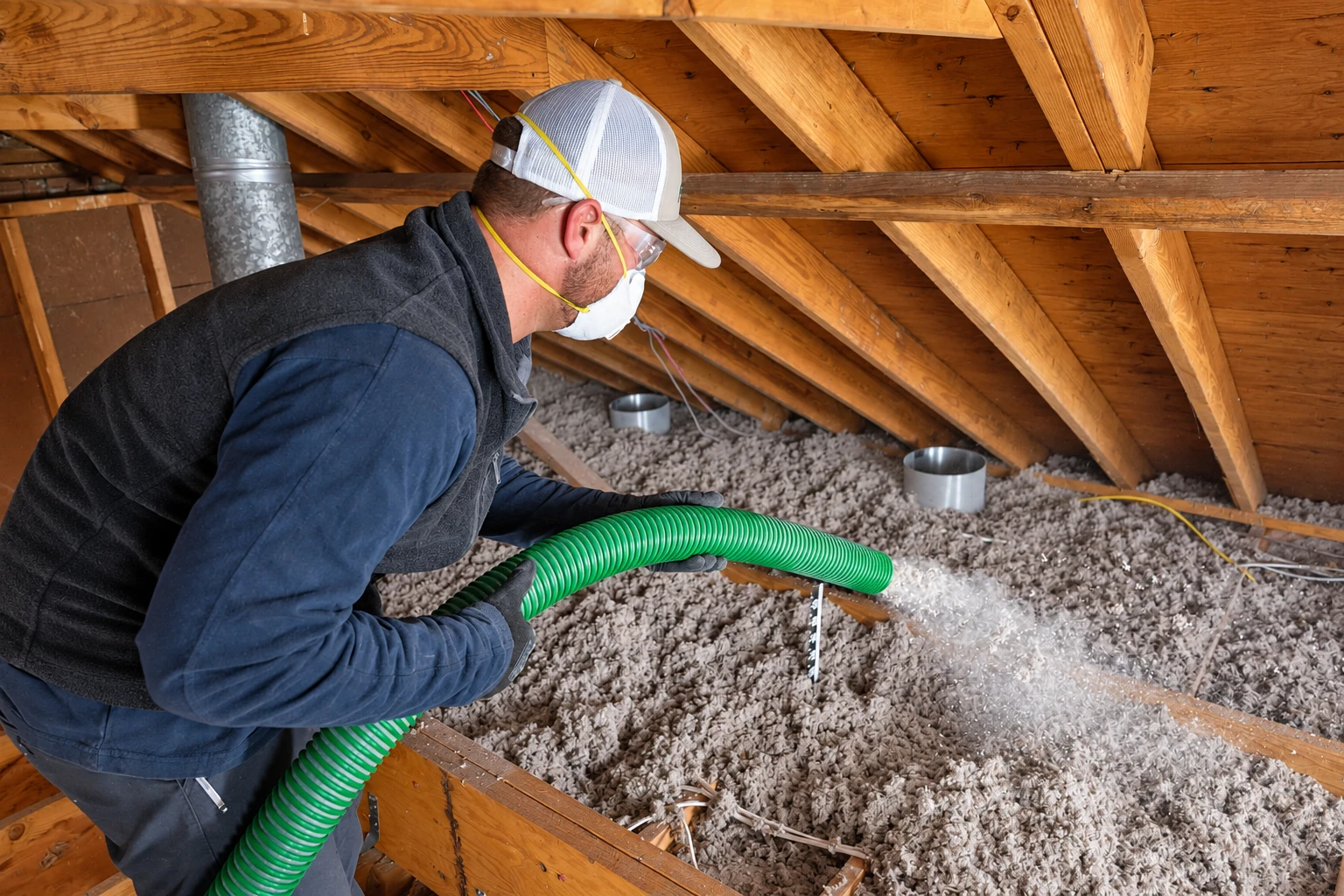
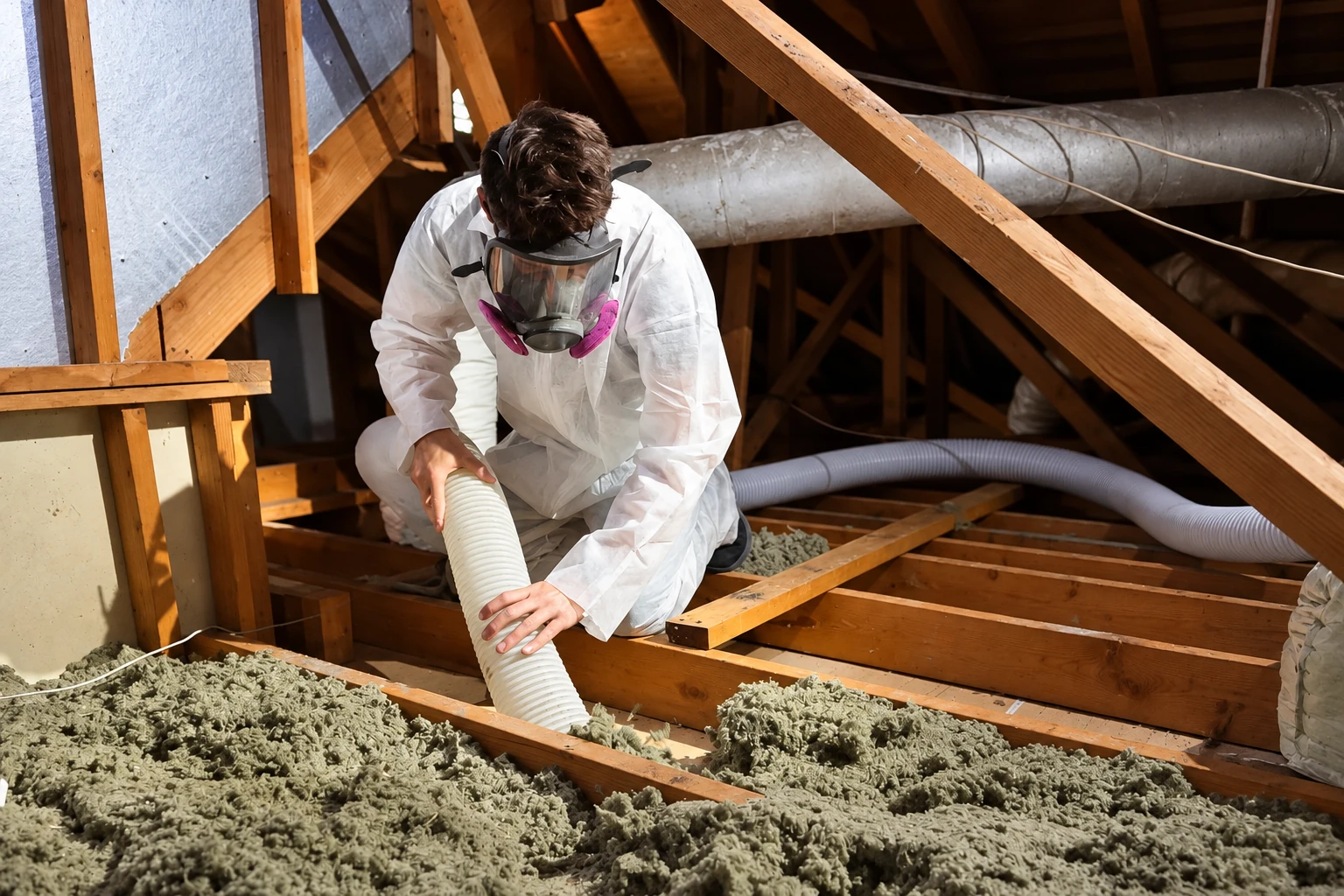
Once the leaks are closed, most attics here just need topping up, and blown-in insulation, loose fill we blow through a hose, fills around old joists and odd corners without tearing anything out. We keep it deep all the way to the edges, where attics are usually thinnest, and keep it off the eave vents so the attic can still breathe.
- Insulation removal
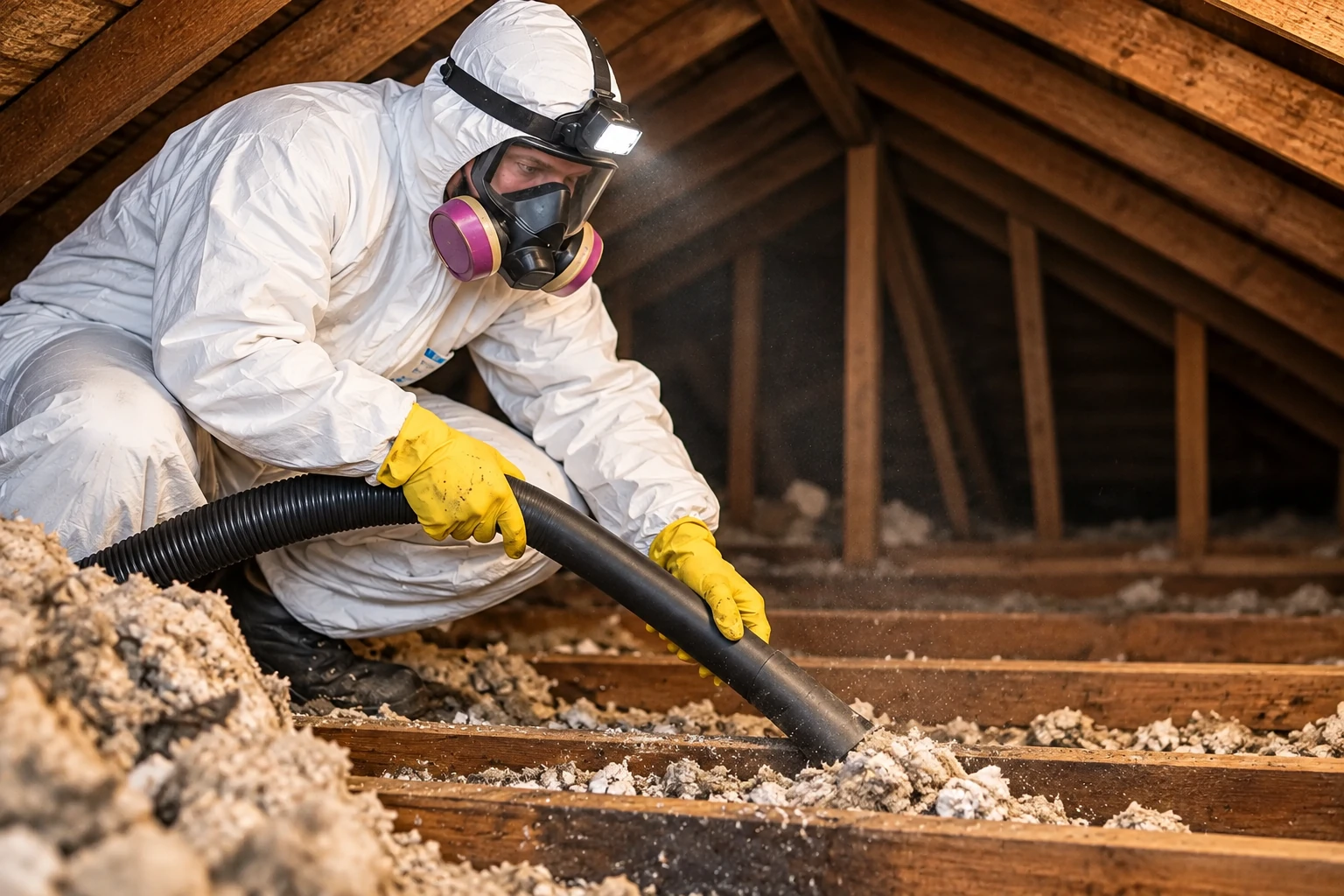
Some attics we open have old insulation that got soaked by a roof leak or turned into a home for mice, and new material over that just buries the problem. We vacuum it out, and if the roof still leaks, I'll tell you to fix that before we put anything back.
- Wall insulation
Plenty of older houses here were built with little or nothing in the walls, which is why the outside rooms stay drafty no matter where the thermostat sits. We fill those walls through small holes and patch them, so you don't lose your plaster or siding to get it done.
- Crawl space vapor barrier
Cold floors in an older house usually trace back to the crawl space, and a damp one will ruin insulation from underneath. We lay a vapor barrier first, a heavy plastic sheet over the dirt that keeps ground moisture down, and insulate after that.
- Commercial insulation
The older brick buildings downtown tend to have tall ceilings, open attics and decades of gaps, so the heat goes straight up and out. We look at what the building already has and tighten it in the order that pays off, sealing first and adding insulation where it's thin.
What Mount Vernon summers do to your attic
Summers here run hot and humid and winters are milder, so the attic does most of its damage in July, when it bakes and pushes that heat into the bedrooms. Humid air also rides in through every gap and can leave moisture in the framing when the eave vents get buried, so we seal from below, insulate on top and keep those vents clear.
What the job costs and how long it takes come down to a few things: how many inches are already up there, whether the old stuff has to come out, how many gaps need sealing and how easy the attic is to get into. A wet crawl space or a leaking roof has to be fixed first, and that moves the schedule more than anything we do. I come out, look for myself and write the estimate, so the figure is for your house and not a guess.
Get a free on-site insulation estimate in Mount Vernon
Call (812) 205-2872 or send the form, and we'll reply within one business day to set a time. I'll come out to Mount Vernon, look at your attic and crawl space myself and write the estimate, free and with no obligation to book. If you go ahead, our own crew does the work, and I'm on most jobs with them.
Insulation work, start to finish
Mount Vernon insulation questions answered
Who issues building permits in Mount Vernon, Indiana?
Inside the City of Mount Vernon, the Building Commissioner issues building permits and makes the inspections, for homeowners and contractors alike. The city's forms page sends building permit requests through the Mayor's Office, and state guidance says that where there's no local office, the county can provide inspections. We ask the office that covers your address before work starts, and when the job calls for a permit, we handle it.
How do I check zoning before building an addition in Posey County?
Call the Area Plan Commission, which asks anyone building or remodeling in Posey County to call with zoning questions. If you need a Land Use Permit, plan on a brief legal description of the property, such as a copy of your deed or tax statement, and a hand-drawn plot plan showing where the addition goes and any street along the lot. Get that settled before we insulate a new addition or a room over the garage.
Do door-to-door insulation salesmen need a permit in Mount Vernon?
Yes, peddlers in Mount Vernon need the city's Peddlers Permit, registered through the Clerk-Treasurer's Office, at $10.00 a day per person. They need a photo ID and a Registered Retail Merchant Certificate to get it, and the permit limits them to 8 AM to 6 PM, so a sales pitch on your porch after 6 PM falls outside those hours.
How much does it cost to insulate an attic in Mount Vernon, IN?
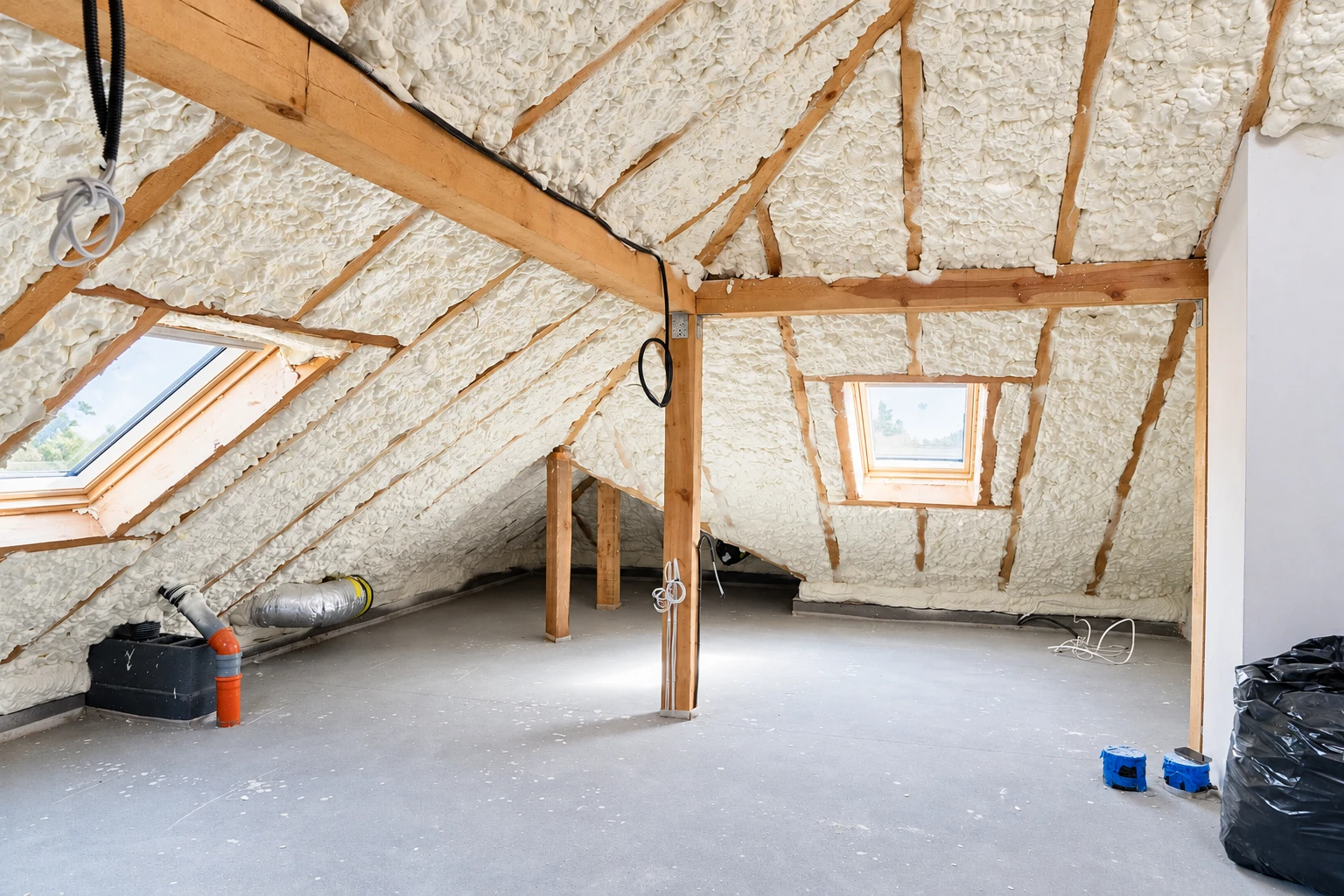
The price comes down to your attic: its size, how many inches are already up there, whether old insulation has to come out and how many gaps need sealing. Spray foam costs more and seals air while it insulates, but sealing the gaps and topping up with loose fill usually wins, unless your ductwork runs through the attic. I'll give you a number once I've seen it, because a guess over the phone is just a guess.
How long does attic insulation take, and do we have to leave the house?
With sealing and loose fill, you can usually stay home while we work. How long we're up there turns on how much old material comes out and how much sealing the attic needs, and I'll tell you at the estimate. Spray foam is different, so you, the kids and the pets stay out until the re-entry time, which is when it's safe to come back, and I'll give you that time before we start.
What causes a hot upstairs and cold floors in an older Mount Vernon house?
Usually it's air leaking through the attic and the crawl space, not just thin insulation. In summer, hot attic air pushes down through gaps around lights, vents and the hatch, and in winter cold air comes up through an open or damp crawl space under the floors. We find the leaks, seal them, and then add insulation where it's actually missing.