
Closed-cell foam insulation in Evansville IN - a tight seal where the drafts get in
Cold floors or a drafty room over the garage? Closed-cell foam seals the leaks and insulates at the same time, so the heat stays put.
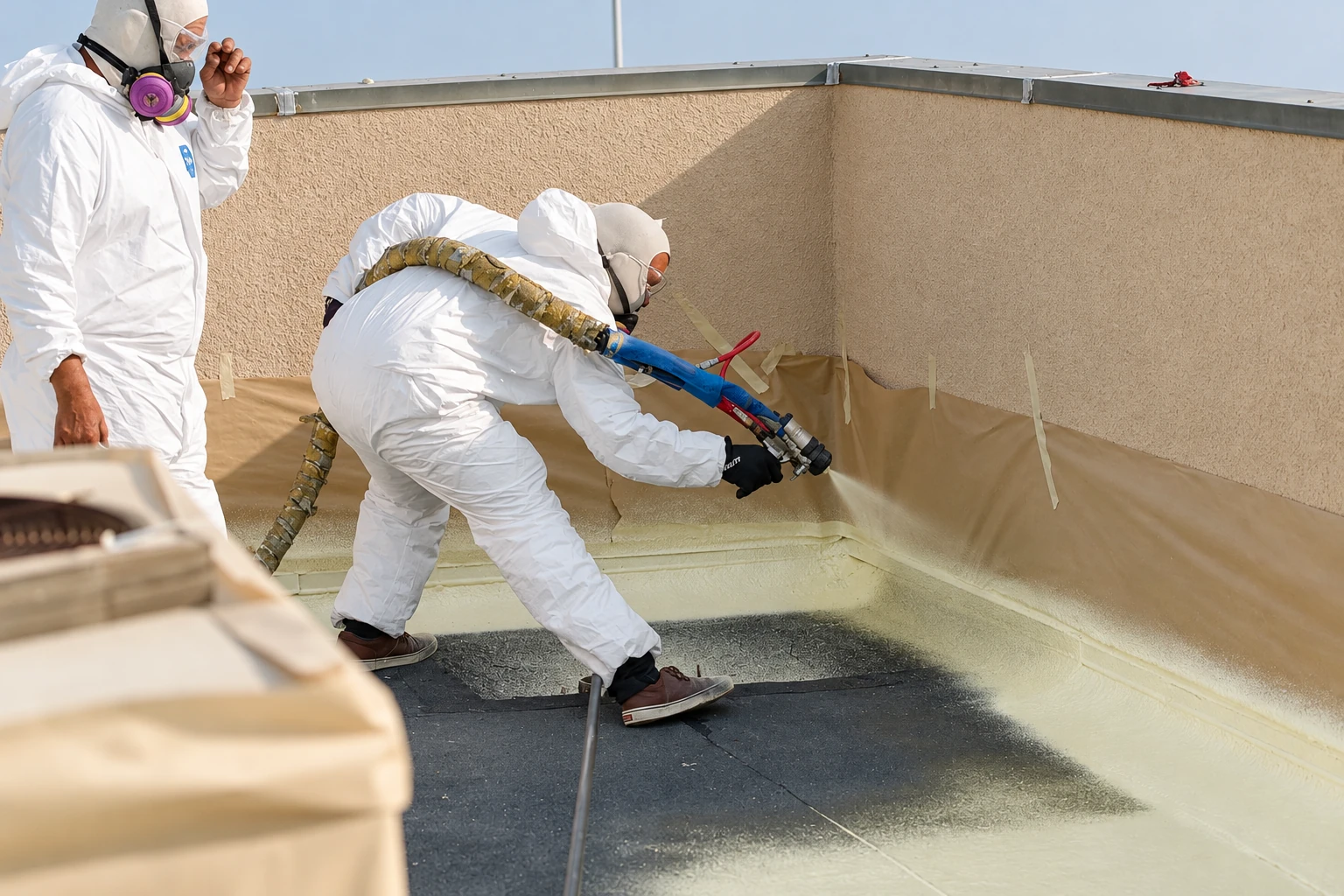
Is closed-cell spray foam right for my house?
Closed-cell foam insulation is a dense, rigid spray foam, and in Evansville homes we use it where you need the most insulation from the least space, because it stops air leaks and insulates in the same pass. At the thickness it usually goes on, it also keeps moisture vapor from getting through, which matters in crawl spaces and basements.
Most calls start with a symptom, usually cold floors over the crawl space, a room over the garage that's never comfortable, or a basement where you can feel air coming in along the top of the wall. The price moves with how much area needs foam and how thick, whether old insulation has to come out first through insulation removal, whether the walls and ceilings are already finished, and how hard the space is to get into. The schedule turns on the same things, plus finding a day your family can be somewhere else. I'll look at it in person and write you a number for your house.
How we install closed-cell foam insulation
I start by looking at what's already there, how many inches, whether it's wet and whether anything has been living in it, because foam sprayed over a soaked or droppings-filled mess just seals the problem in. Then we pull out whatever has to go, cover everything that shouldn't get foam on it, and spray in passes to the depth the spot calls for, keeping it even out to the edges, since the edges are where thin coverage usually hides. We clean up before we leave, so the only sign we were there is a room that finally holds its heat. Here's the honest part. Closed-cell gives you the most per inch and costs more to match, so it earns its keep on rim joists, crawl space walls, the floor of a room over the garage, or an attic where the ductwork lives. Across an open attic floor, sealing the gaps and topping up loose fill usually does fine for less, and I'll tell you so.
Some spots don't need the dense stuff, and open-cell foam insulation costs less and works well where there's room for it. If you own a shop, office or warehouse that leaks heat, we do the same seal-it-right work through our commercial insulation service. We're based in Evansville and work across Henderson, KY, Mount Vernon, IN, Boonville, IN, Princeton, IN and other cities nearby.
Why Evansville homeowners call us for closed-cell foam
I write your estimate in person
I come out, look at the space myself and write the estimate, and our own crew does the work with me on most jobs. The person who told you what's in your attic is usually the one standing in it on install day.
Problems fixed before foam goes in
I learned the trade on another crew, and when I came back to start this business in 2023, I kept seeing insulation piled over leaks. If your roof leaks, the wiring's suspect or the crawl space is wet, I'll tell you to fix that first, because foam over a problem just hides it.
Licensed and insured for Evansville work
Evansville and Vanderburgh County require licensed contractors for work on buildings, and the city's Building Commission runs that license program. We're fully licensed and insured, so your job goes through the city's permits and inspections the way it should.
With closed-cell foam, the order of the work matters more than the foam. Call (812) 205-2872 or use the contact form, and tell me whether the walls are finished, what's up there now, how you get into the attic, and whether anyone at home has asthma or a sensitivity to spray foam.
Get a written estimate for closed-cell foam
We reply within one business day to set a time for me to come out and look at the spots you're worried about. I write the estimate on site, it's free, and there's no pressure to book.
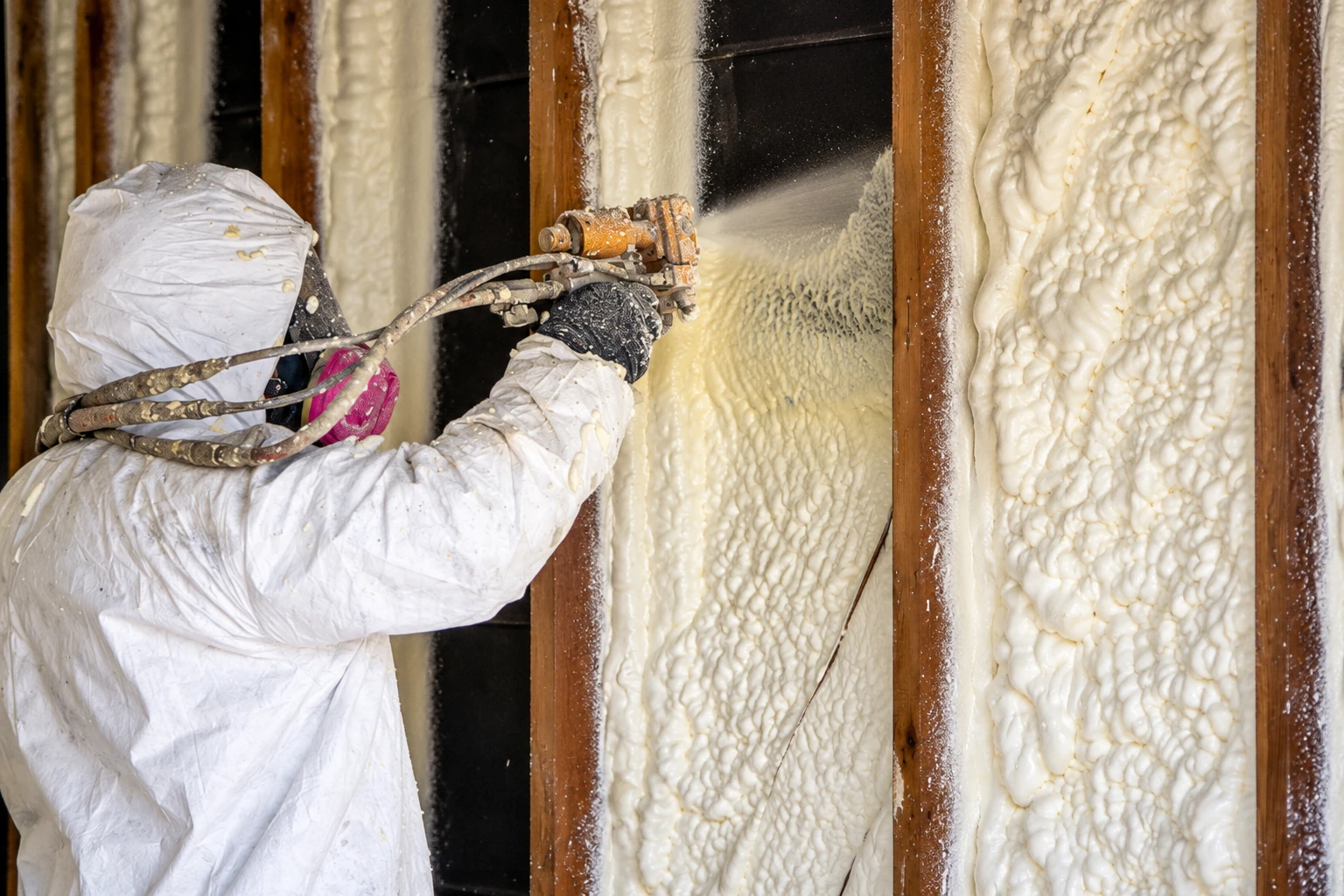
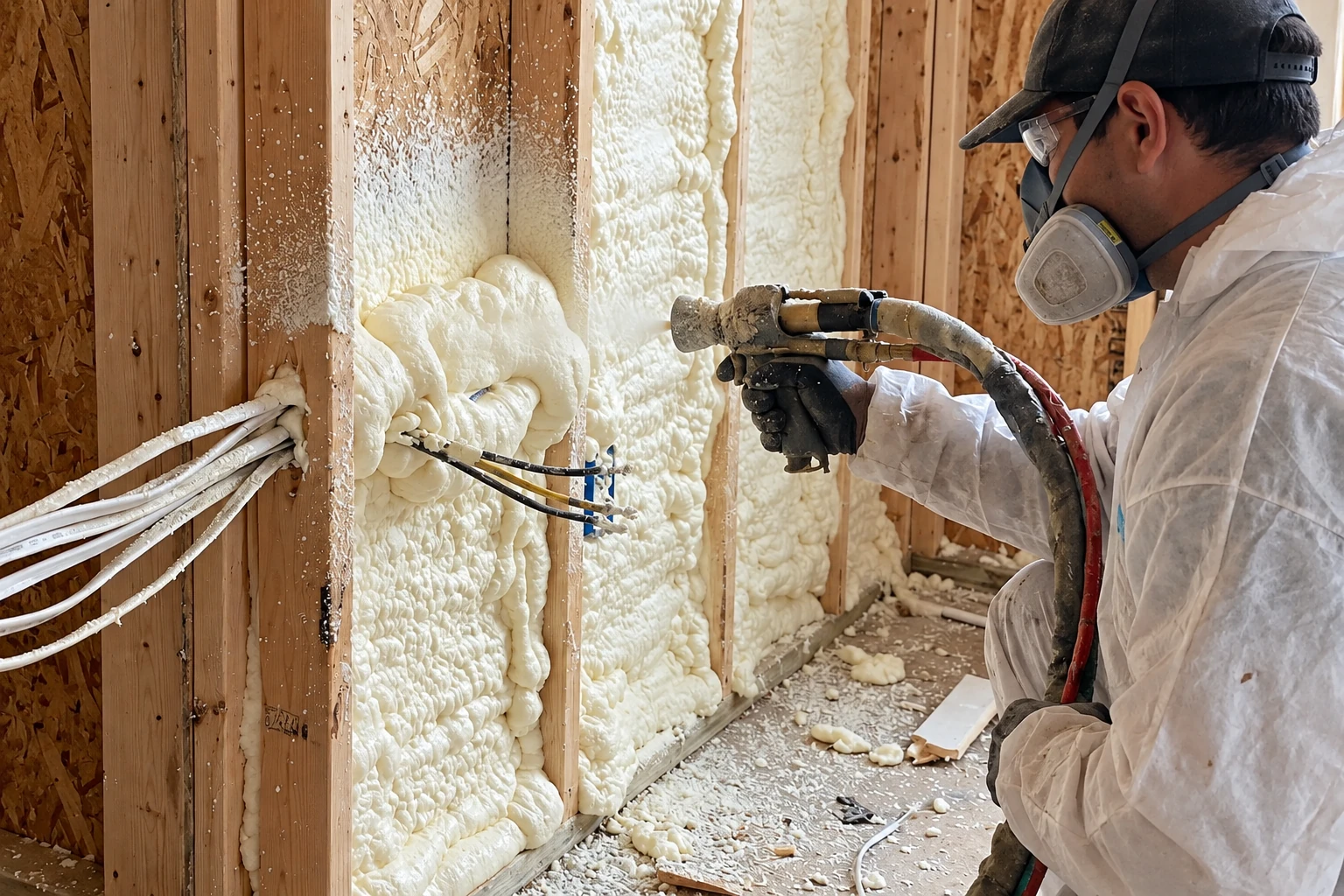
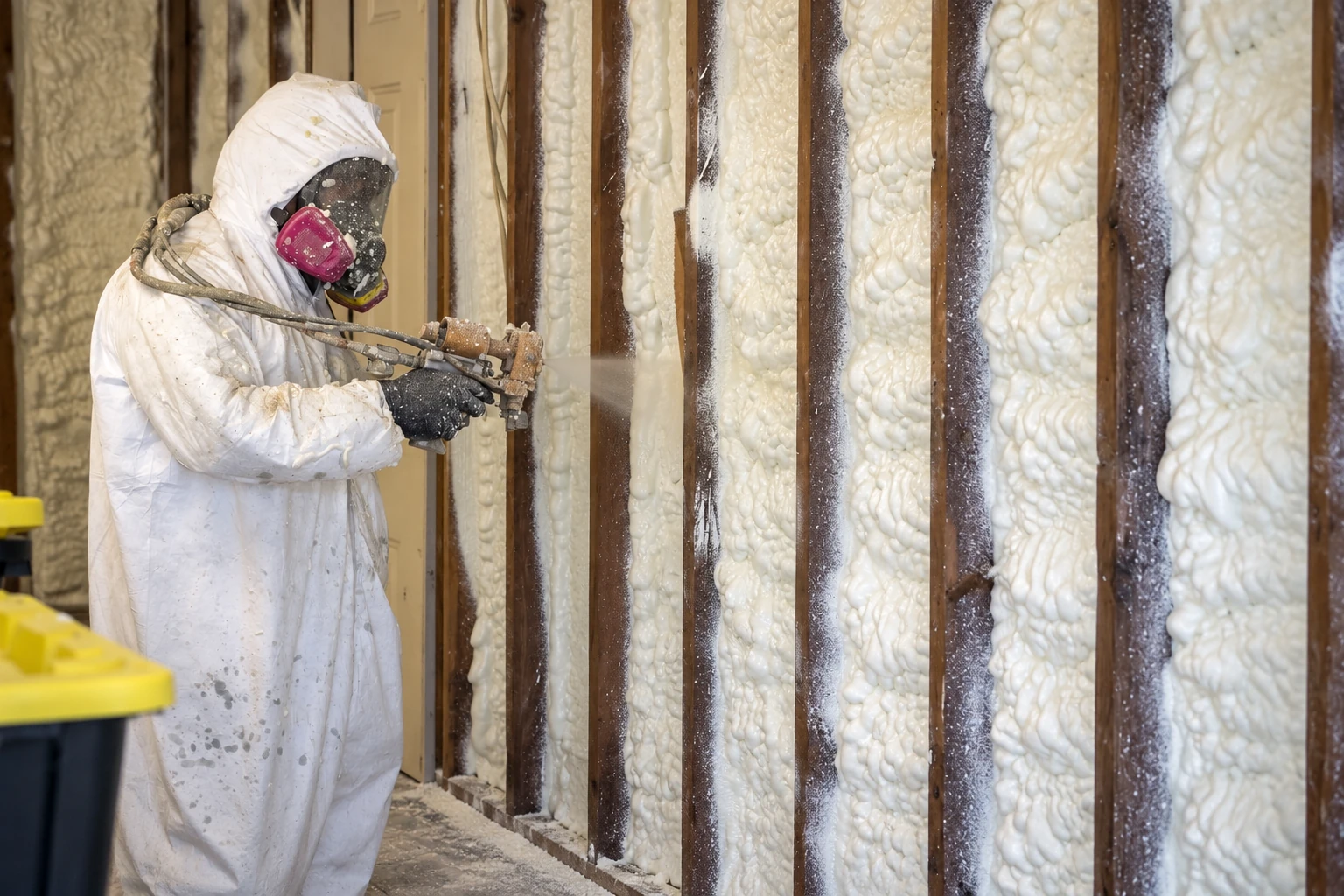
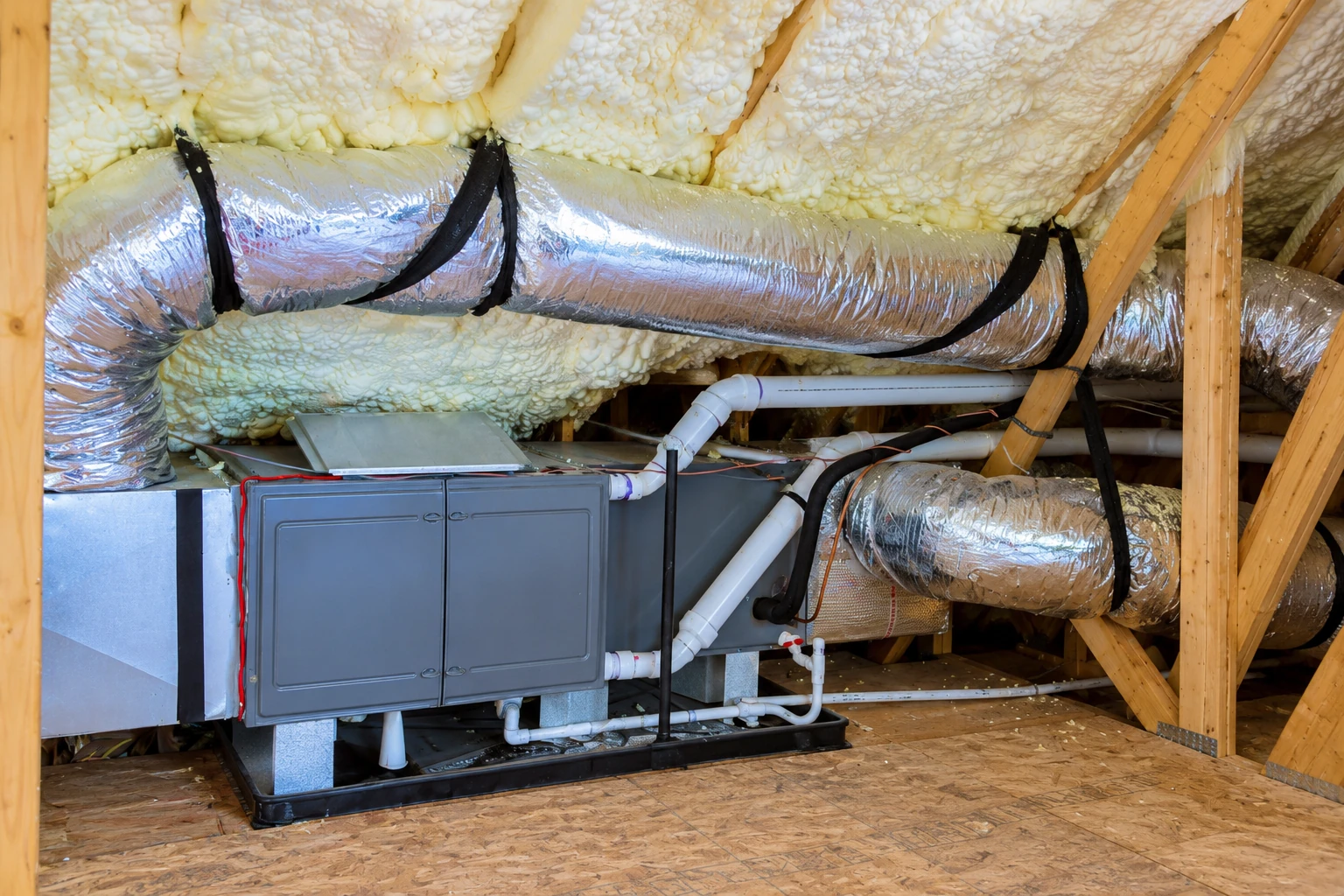
What closed-cell foam looks like
What people ask about closed-cell foam
How much does closed-cell spray foam cost in Evansville?
Closed-cell spray foam in Evansville usually runs about $1 to $1.50 per board foot, which is one square foot of foam an inch thick. That's the going rate in the area, not our price, so the thickness your house needs matters as much as the square footage. I'll give you the number for your house after I've looked.
Is closed-cell or open-cell spray foam better?
Closed-cell gives you about twice the insulation per inch, while open-cell is much better at blocking sound. Closed-cell costs more, so it's the better pick where space is tight or moisture is a worry, and open-cell makes more sense when you've got room and want a quieter house.
How long do I have to stay out of the house after spray foam insulation?
Federal consumer safety staff advise everyone to stay out during the install and for at least 24 hours after. The EPA says to wait until the foam has finished curing and the house has been aired out and cleaned, and the wait makers recommend can vary, so we'll tell you which product we're using and what its maker says. Plan somewhere for the kids and pets to stay too.
Who issues building permits in Evansville?
The city's Building Commission issues permits in Evansville, and it wants them before work on any structure starts. Its list names work like drywall and waterproofing but doesn't mention insulation, so we ask the office that covers your address before we start, and when the job needs a permit, we handle it. Permits and inspections check the work against Indiana's building codes and local safety and fire rules.
How do I know if spray foam is safe for someone in my house with asthma?
If anyone at home has asthma, respiratory allergies, a skin condition or a past reaction to isocyanates, the chemicals that make the foam, read the product information carefully before you book. Federal safety staff say those households can consider other insulation instead. Tell me up front, and I'd rather sell you a different job than one that makes someone sick.
What is the best way to insulate basement rim joists?
Spray foam works well, because it air-seals and insulates the rim joist, the wood band sitting on top of the foundation wall, in one step. The Energy Department's guidance counts closed-cell as an air barrier once its finished thickness reaches 1.5 inches or more. It's one of the spots where the pricier foam earns its keep.
Related insulation work
- Open-cell foam insulation
The softer, lighter foam, for spots with room to spare where the dense kind would have you paying for inches you don't need.
- Commercial insulation
For business owners with a shop, office or warehouse that's drafty, expensive to heat, or both.