Commercial insulation in Evansville IN - a tighter building that holds its heat
Sweating ceilings, drafty walls and a climbing utility bill? We seal the leaks first, then insulate so your building holds its heat.
What does commercial insulation do for an Evansville building?
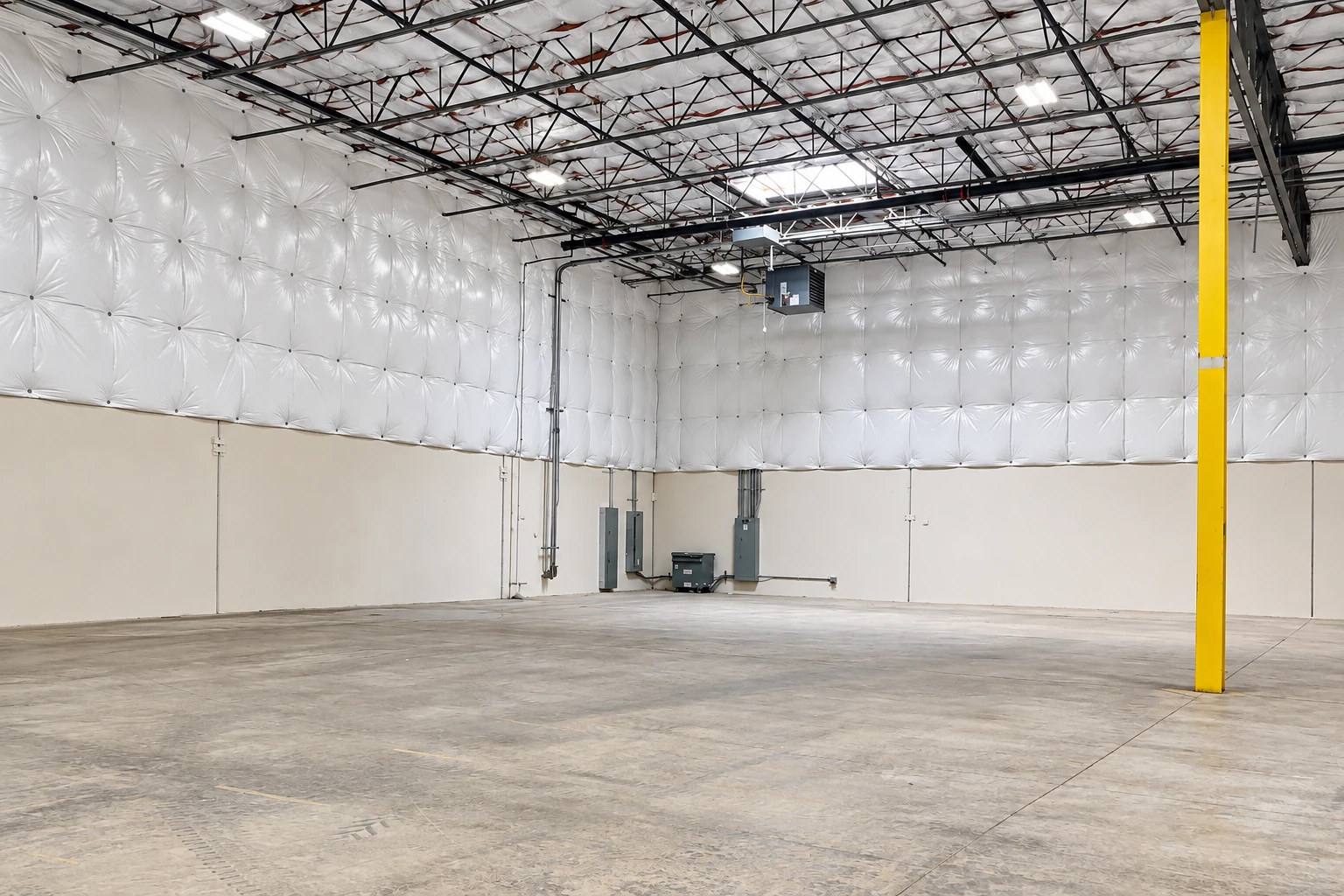
Commercial insulation in Evansville goes into a building's exterior walls and roof to slow the heat moving through them, which cuts the energy it takes to heat and cool the place. It also keeps outside noise out and takes some of the echo out of a big open room.
Most of my calls are older homes, but some come from business owners with a shop, office or metal building that sweats inside or costs too much to heat and cool. The price turns on the square footage, the roof type, what's already in the roof and walls, and how easy it is for our crew to reach the space. The schedule turns mostly on your roofer or siding crew if that work is coming, and on permits, because we check with the building office that covers your address before anything starts. I'll walk the building and write you an estimate with your own number on it.
How we handle commercial insulation, start to finish
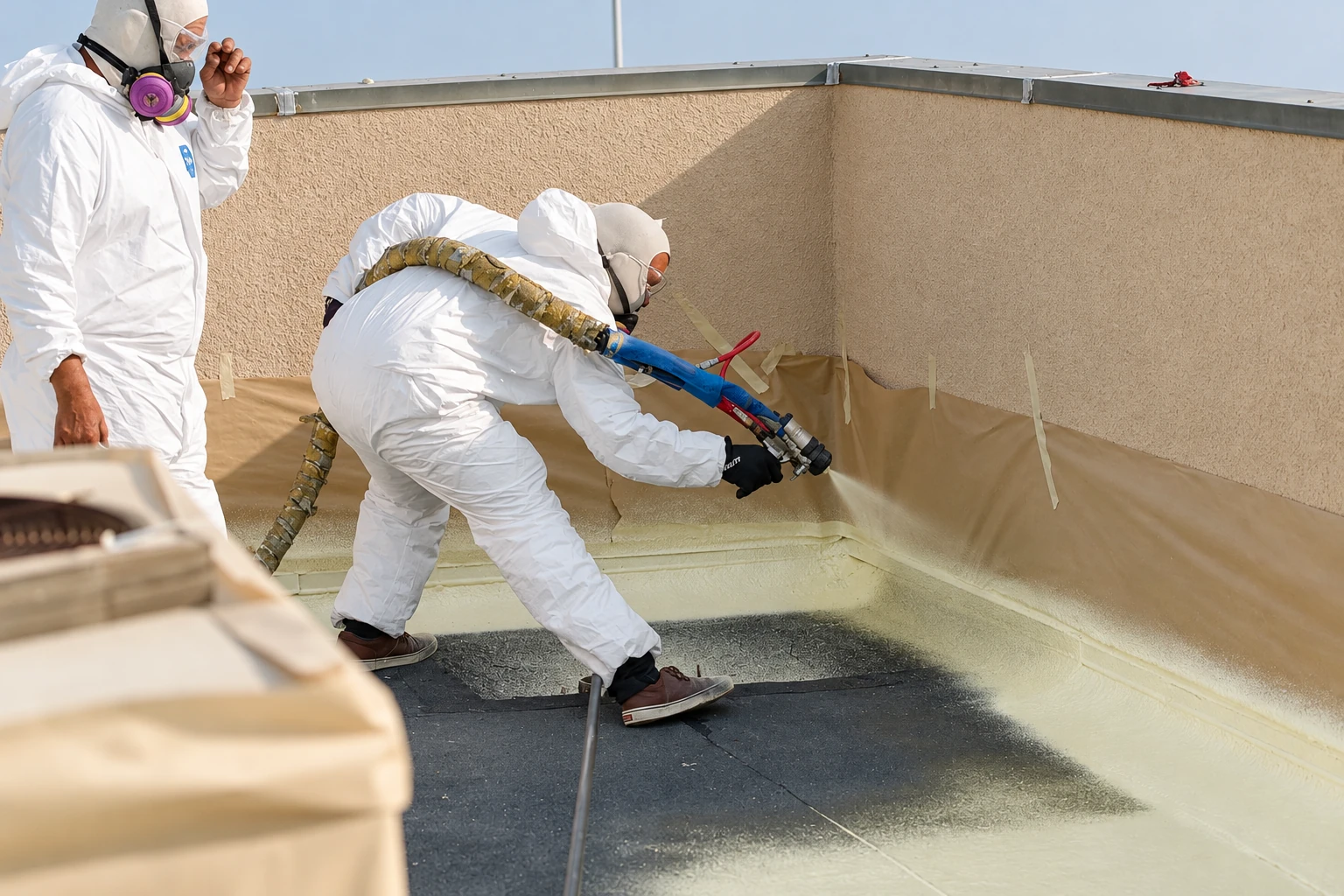
First I ask whether a re-roof or new siding is coming, because insulation fits best while the roof or walls are already open, and I'd rather plan around your roofer than undo the roofer's work. Then I ask about any condensation you've seen inside, because water on a ceiling or wall shows us where warm air is meeting a cold surface. We check what's in the roof and walls now, since new insulation over wet or sagging old material just hides the problem. Our crew seals the gaps around doors, seams and anything that pokes through, so the insulation isn't fighting a draft. Insulation is good at slowing heat. It's no good at stopping wind. Then we install the new layer and clean up. Spray foam costs more and seals as it goes, and sometimes it's worth it, but on most buildings sealing the gaps and adding a conventional layer gets you there for less, unless ductwork runs through the space.
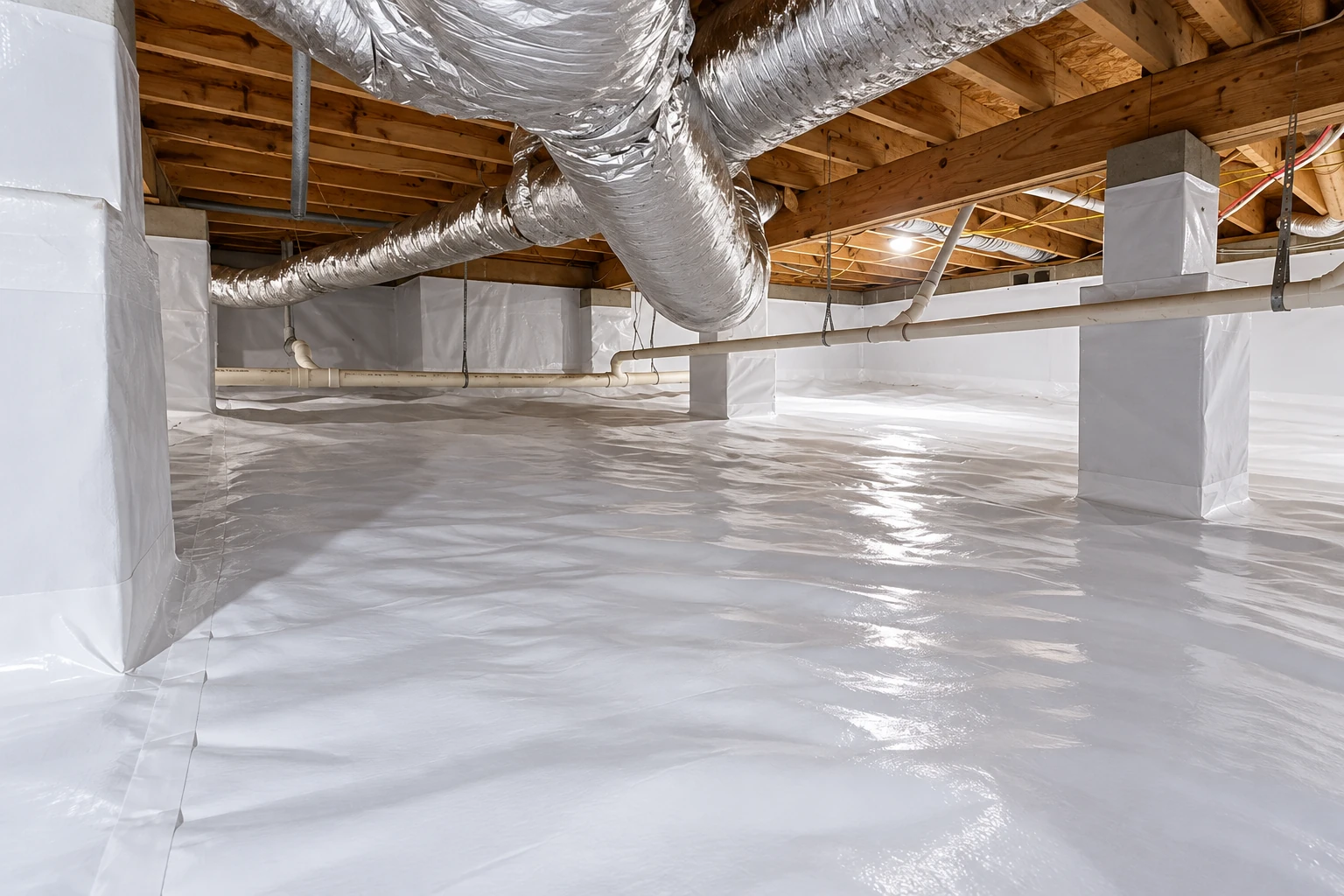
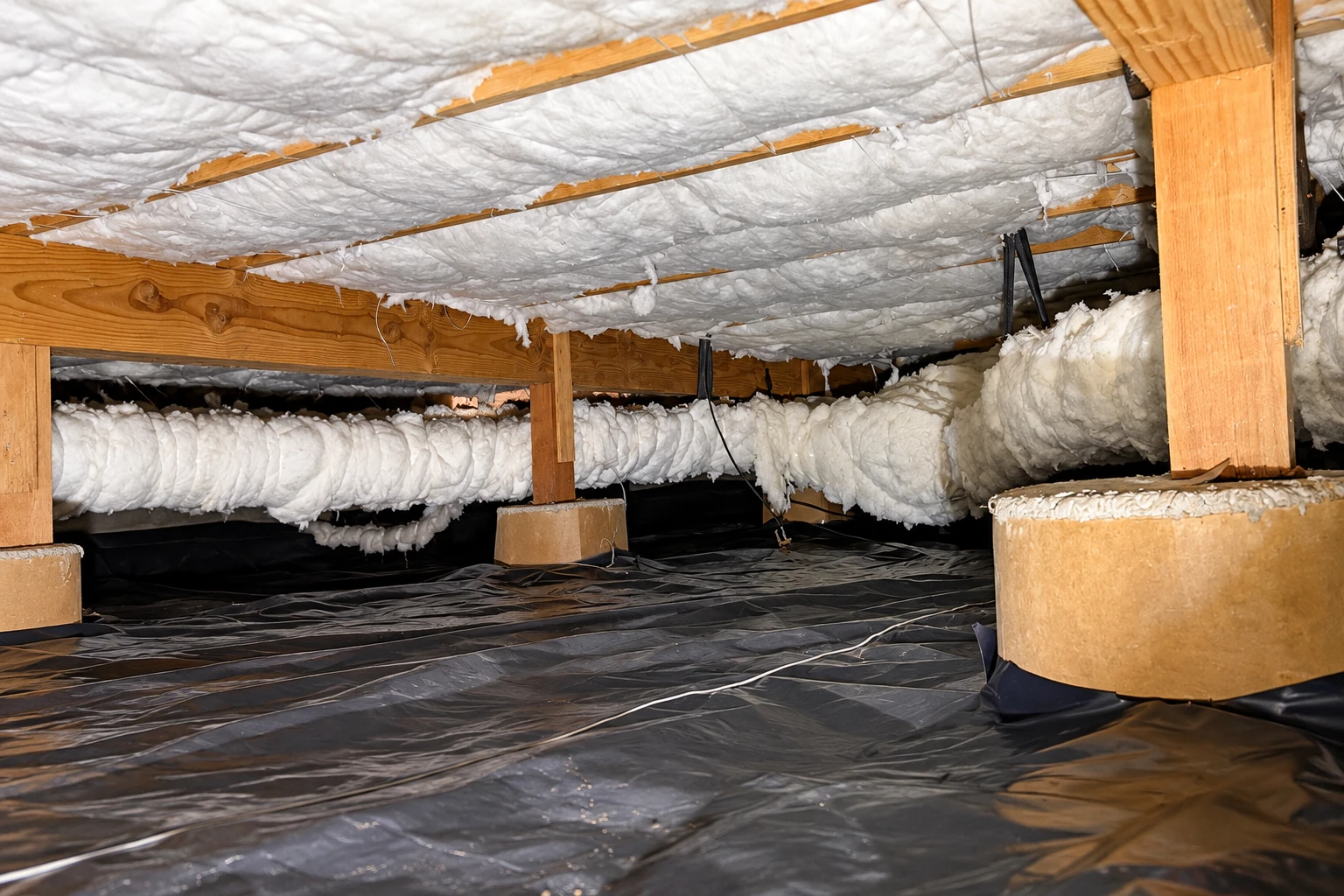
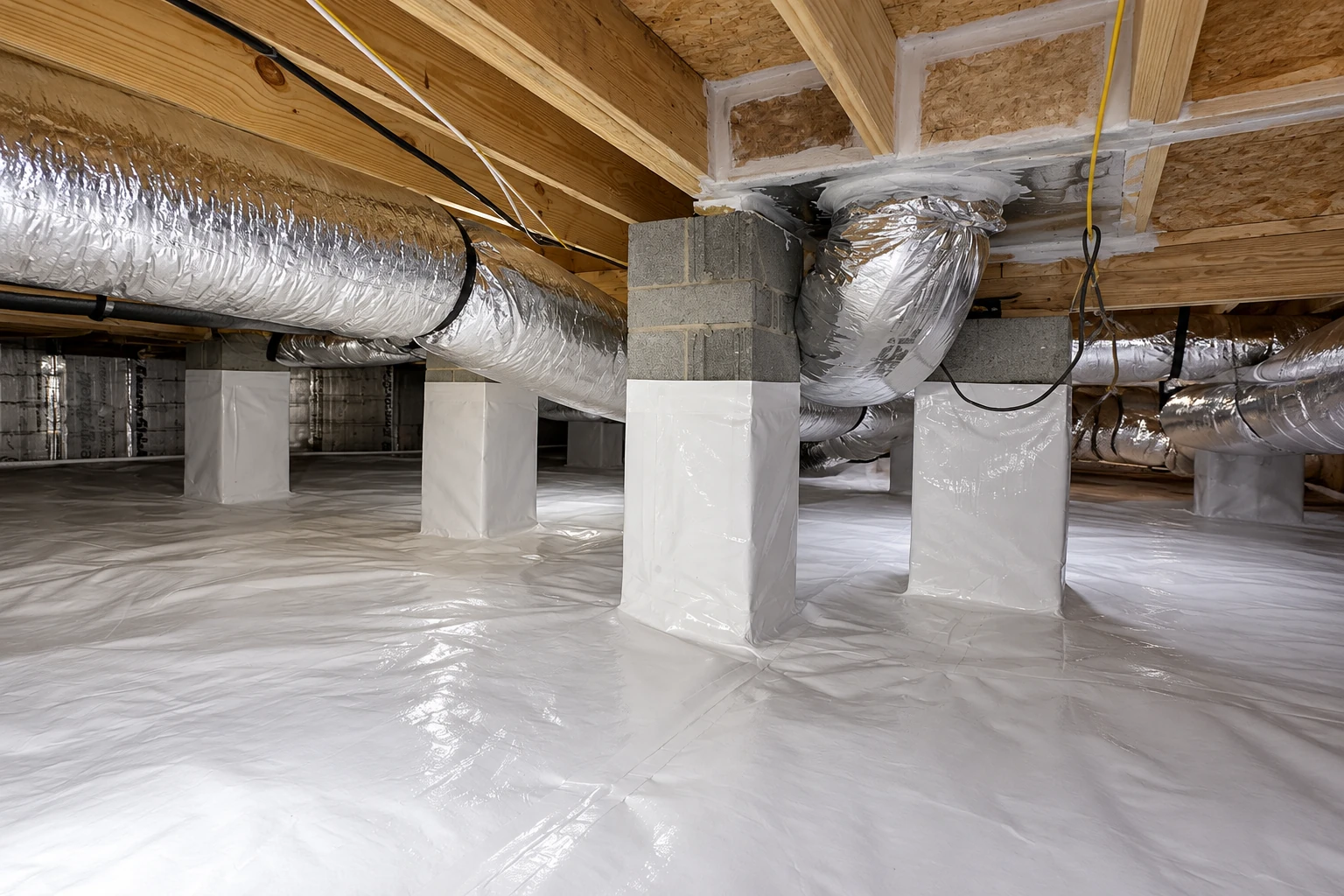
Moisture usually comes along with a commercial job. When condensation is part of the problem, we can do vapor barrier installation as part of the same project, and if the building sits over a crawl space, we put down a crawl space vapor barrier so ground moisture stays out of the floor. If the real fix is the roof or the wiring, I'll tell you that first, and you can call us back once it's done.
Why Evansville business owners call A&B Evansville Insulation Services
The owner walks your building
I come out to look at your building and write the estimate myself, whether you're in Evansville, Henderson, Princeton or another city nearby. I'm on most jobs with our own crew, so the person who scoped the work is usually there making sure it gets done that way.
We seal before we insulate
We've been in business since 2023, and in that time I've seen plenty of buildings where someone piled on insulation and skipped the leaks underneath. Sealing first means what you pay for slows the heat instead of fighting a draft.
Licensed, as the city requires
Evansville and Vanderburgh County require licensed contractors for work on buildings, and we're fully licensed and insured. Ask every bidder to show you proof before you sign anything, and we'll hand over ours.
On a commercial building, the order of the work matters more than the brand of insulation. Call (812) 205-2872 or send us your building's details with the address, what it's used for, the roof type and rough square footage, and I'll set a time to come look.
Get a free on-site estimate for your commercial building
Expect a reply from us within one business day to set a time. I'll come out, walk the building and write your free on-site estimate myself. There's no pressure to book.
Commercial roof and wall insulation
Questions before you book commercial insulation
How much does commercial insulation cost in Evansville?
Installed insulation across the US usually costs about $1 to $6 per square foot. That's a national range for the market, not our price, and foam sits higher than fiberglass or loose fill. Your own number comes after I walk the building.
Do I need a building permit for commercial insulation in Evansville?
Evansville and Vanderburgh County require a building permit before any work on a structure starts, and the city's permit list names re-roofing and siding but doesn't name insulation. Check your own project with the Building Commission, which suggests starting with the Area Plan Commission before you request a permit. Indiana also requires a state design release for buildings used by the public, three or more tenants or someone else's employees, and starting permitted work before the permit is issued triples the fee. When your job needs a permit, we handle it.
Can you add insulation to a commercial roof during a re-roof?
Yes, fiberglass can go in as an extra layer during a metal re-roof, and it can also be added on the built-up and single-ply membrane roofs most commercial buildings have. With the old roof coming off anyway, the insulation upgrade rides along in the same project instead of becoming its own.
What causes condensation inside a commercial building, and can insulation stop it?
Condensation forms when warm, damp indoor air hits a cold roof or wall, and insulation controls it on inside surfaces when it's installed properly with a vapor retarder, a layer that slows moisture moving through. If you've seen sweating or drips, make sure any plan you're given puts a vapor retarder in those spots.
What is the best way to insulate the walls of a commercial building?
For framed walls, continuous rigid insulation, an unbroken layer of stiff board on the outside of the framing, is a strong choice because it blocks heat moving through the studs, cuts drafts and lowers the risk of moisture problems. It goes on when the siding comes off, so if new siding is coming, that's the time to plan it.
How do I insulate a metal building to meet Indiana's energy code?
Start by asking whether a filled cavity system, which fills the framing space with insulation, fits your building, since one trade group says these are quickly becoming a necessity to meet today's stricter energy codes. Indiana has an energy code in effect for buildings other than low-rise homes, so ask any installer how the planned work meets it.
Other work that often goes with it
- Vapor barrier installation
If your walls or roof deck sweat in cold weather, a vapor barrier keeps damp indoor air from reaching the cold surfaces where it turns to water.
- Crawl space vapor barrier
Offices and shops built over a crawl space pick up moisture from the dirt below, and a sealed barrier keeps it out of the floor and the air you breathe.